Limited time offer! Get discounts now!

13 Best Places to Visit in Cyprus: Discover the Island's Hidden Gems
8/10/202412 min read
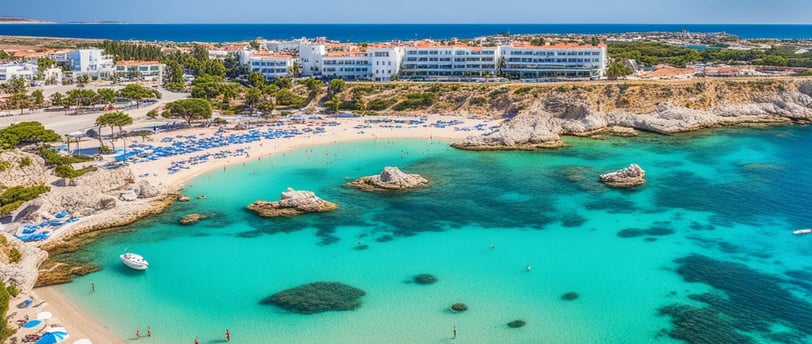
Cyprus, often referred to as the Jewel of the Mediterranean, is a destination that seamlessly marries ancient history with modern allure. This enchanting island is renowned not only for its idyllic beaches but also for its rich heritage and vibrant culture. A melting pot of influences from Greece, Turkey, and the Middle East, Cyprus boasts a diverse cultural tapestry that offers a unique experience for every traveler.
Steeped in history, Cyprus is home to ancient ruins and archaeological sites that tell tales of past civilizations. From the timeworn mosaics of Paphos to the medieval castles dotting the landscape, the island whispers stories of bygone eras, waiting for visitors to uncover them. The historical significance of Cyprus is complemented by its stunning natural landscapes. Whether it's the rugged beauty of the Troodos Mountains or the serene expanse of its Mediterranean coastline, Cyprus offers a backdrop of unparalleled beauty.
The island's vibrant cities are a feast for the senses, where traditional architecture meets modern amenities. Nicosia, the capital, is a testament to this blend, with its lively streets, bustling markets, and ancient relics. Larnaca, Limassol, and Paphos, each with their own unique charm, offer a taste of local life, allowing visitors to immerse themselves in the Cypriot way of living. The warm hospitality of the locals only adds to the island’s appeal, making every visit feel like coming home.
Cyprus is also a paradise for beach lovers, with its crystal-clear waters and golden sands. Beaches like Fig Tree Bay and Nissi Beach are just a glimpse of the island's coastal beauty. These sun-drenched shores are perfect for relaxation or adventure, providing ample opportunities for water sports and seaside fun.
As we delve deeper into this blog, we will uncover 13 of the best places to visit in Cyprus. From historical landmarks to natural wonders, each destination promises a unique experience, ensuring that your journey through this Mediterranean gem is nothing short of unforgettable. Let’s embark on this exploration and discover the hidden gems that make Cyprus truly extraordinary.
Paphos: A Dive into Ancient History and Coastal Beauty
Paphos, situated on the southwestern coast of Cyprus, is a city rich in archaeological wonders and stunning vistas. Its historical significance is recognized globally, with sites like the Tombs of the Kings and the Paphos Archaeological Park being inscribed as UNESCO World Heritage Sites. The Tombs of the Kings, despite its name, is a necropolis reserved for high-ranking officials and aristocrats. These underground tombs, carved out of solid rock, date back to the 4th century BC and offer a glimpse into the grandeur of ancient Cypriot burial traditions.
The Paphos Archaeological Park is another must-visit destination. This sprawling park showcases remnants from various periods, including Roman villas adorned with intricate mosaics, such as the House of Dionysus. The detailed artwork vividly illustrates scenes from Greek mythology and provides a fascinating insight into the daily life and artistic expression of ancient civilizations. Adjacent to the park, the ancient Odeon amphitheater still hosts performances, blending historic ambiance with contemporary cultural events.
Beyond its historical sites, Paphos is also known for its natural beauty. Coral Bay, located a short drive from the city center, offers golden sands and crystal-clear waters, making it an ideal spot for relaxation and water activities. Whether you're sunbathing, swimming, or engaging in water sports, Coral Bay caters to a wide range of interests.
Complementing its rich history and natural beauty, Paphos boasts a variety of local eateries where traditional Cypriot cuisine can be savored. From meze platters to fresh seafood, the local dining scene emphasizes fresh, locally-sourced ingredients. Restaurants like "The 7 St. Georges Tavern" and "Sienna Restaurant" are highly recommended for an authentic culinary experience.
For those planning a trip, the best time to visit Paphos is during the shoulder seasons of spring (April to June) and autumn (September to October). These months offer milder weather, fewer tourists, and a more relaxed ambiance, allowing visitors to fully appreciate the city's charm and historical treasures without the summer crowds.
Limassol: The Perfect Blend of Culture and Modernity
Limassol, one of Cyprus's largest cities, is known for its remarkable ability to merge cultural richness with modern amenities. At the heart of Limassol's historical heritage is the Limassol Castle, a medieval fortification that houses the Cyprus Medieval Museum. Visitors can immerse themselves in centuries of history amid the castle's exhibitions, which showcase artifacts from various epochs of the island's past.
A short walk from the castle brings one to the Limassol Promenade, a scenic waterfront pathway lined with palm trees. This promenade, also known as the Molos, is a hub for locals and tourists alike, offering a perfect blend of leisurely strolls, lively street performances, and stunning sea views. The Promenade is enhanced by its proximity to the newly developed Limassol Marina. This area is a modern architectural marvel featuring luxurious yachts, upscale dining options, and boutique shops, making it an ideal spot for a leisurely day out or an elegant evening by the sea.
No visit to Limassol is complete without exploring its beautiful beaches. Among the top choices are Lady's Mile Beach, renowned for its expansive coastline and clear waters, and Governor's Beach, known for its dramatic white cliffs and charcoal grey sands. Both beaches offer excellent facilities, ensuring visitors can relax and enjoy a range of water sports and beach activities.
Limassol is also famous for its vibrant local festivals. One of the most anticipated events is the Limassol Wine Festival, held annually in September. This festival celebrates Cyprus's rich winemaking tradition with plentiful wine tastings, traditional music, and dance performances. Another key event is the Limassol Carnival, a colorful and lively festival held before Lent, which features parades, masquerade balls, and street parties, showcasing the city's exuberant spirit.
The best time to experience Limassol in its full glory is during the spring (April to June) and autumn (September to November) months. These seasons offer pleasant weather, ideal for exploring the city’s outdoor attractions and participating in local festivities.
3. Larnaca: A Mix of Tradition and Relaxation
Larnaca, situated on Cyprus's southern coast, offers a splendid blend of historical charm and serene beachside relaxation. The city is renowned for its picturesque seafront and a rich tapestry of cultural heritage that appeals to visitors year-round.
One of the must-visit historical landmarks in Larnaca is the Church of Saint Lazarus, an impressive 9th-century Byzantine church. The church is dedicated to Saint Lazarus of Bethany, who, according to Orthodox tradition, spent his second life in Cyprus. Adorned with intricate icons and beautiful wood carvings, the church offers a profound sense of the island’s spiritual history.
Another remarkable site is the Hala Sultan Tekke mosque, located near the Larnaca Salt Lake. This sacred site is significant to the Muslim community and is set amidst stunning natural scenery. Surrounded by oasis-like gardens, the mosque provides a tranquil escape and a glimpse into Cyprus’s diverse cultural landscape.
For those who prefer the beach, Finikoudes Beach is an idyllic choice. Lined with palm trees and offering crystal-clear waters, this beach is perfect for a day of sunbathing and swimming. The promenade along Finikoudes is lively, featuring numerous cafes and eateries where one can savor traditional Cypriot cuisine. Look for local favorites such as halloumi cheese, souvlaki, and freshly caught seafood.
Larnaca Salt Lake is another natural marvel worth exploring, especially from autumn to spring when flocks of flamingos and other migratory birds can be seen. The changing colors of the salt lake offer a stunning backdrop for photography enthusiasts.
To truly experience Larnaca's culinary delights, consider dining at traditional restaurants like Militzis or Savino. These establishments offer authentic dishes prepared with locally sourced ingredients, providing a taste of Cyprus that’s both genuine and memorable.
The best time to visit Larnaca is during the spring and autumn months when the weather is pleasantly warm, and the island is less crowded. This allows visitors to fully appreciate both the natural beauty and the rich cultural offerings without the peak-season rush.
Nicosia: The Divided Capital with a Unique Charm
Nicosia, the capital city of Cyprus, stands as a compelling blend of the ancient and the modern. Often regarded as the last divided capital in Europe, it offers an unparalleled experience that intertwines historical significance with contemporary attractions. One of the most prominent landmarks is the Venetian-built old city walls, encapsulating centuries of history. These formidable fortifications, dating back to the 16th century, offer an intriguing glimpse into the past while providing a scenic backdrop for leisurely walks.
The Cyprus Museum, located within the city, houses an extensive collection of archaeological artifacts that date as far back as the Neolithic period. This museum is a must-visit for anyone interested in understanding the rich historical tapestry of the island. Meanwhile, a stroll down Ledra Street reveals a bustling scene, teeming with shops, cafes, and restaurants, reflecting the vibrant contemporary life of the city. This pedestrianized area is perfect for soaking up the local culture, enjoying a meal, or simply people-watching.
However, what truly sets Nicosia apart is the Green Line, an enduring symbol of the city’s division. This demarcating line splits the city into Greek Cypriot and Turkish Cypriot sectors, with crossing points such as Ledra Palace providing a unique opportunity to experience the cultural duality firsthand. Visitors can cross from one side to the other, each offering distinct cultural, culinary, and historical experiences.
For dining, the old city offers an array of traditional Cypriot tavernas where one can savor local delicacies such as halloumi and souvlaki. Nicosia’s nightlife is vibrant, featuring bars and clubs that cater to various tastes, from jazz lounges to modern dance clubs. The best times to visit Nicosia are during the spring and autumn months when the weather is conducive for outdoor exploration and the city’s cultural events are in full swing.
5. Ayia Napa and Protaras: The Ultimate Beach Destinations
Ayia Napa and Protaras are renowned for their stunning beaches, vibrant nightlife, and diverse water activities. These coastal towns are ideal destinations for those seeking a mix of relaxation and excitement. One of the most iconic beaches in Ayia Napa is Nissi Beach, famous for its soft golden sands and crystal-clear waters. This beach is particularly popular for its lively atmosphere, featuring beach bars and music festivals that attract visitors from around the globe.
Another must-visit spot in Protaras is Fig Tree Bay. This beach, named after a solitary fig tree overlooking the bay, offers serene waters perfect for swimming and snorkeling. Families will appreciate the shallow, calm waters, making it a safe environment for children. Konnos Bay, nestled between Ayia Napa and Protaras, is a more secluded beach known for its scenic surroundings and tranquil ambiance. It's an excellent location for kayaking and scuba diving, presenting an underwater world teeming with marine life.
For the adventurous, Ayia Napa and Protaras boast numerous opportunities for water sports. Visitors can indulge in activities such as jet skiing, windsurfing, and parasailing, providing thrilling ways to enjoy the stunning coastline. Beach parties and nightlife are integral to the experience in these towns, with Ayia Napa particularly famous for its vibrant club scene. Top venues like Nissi Beach Bar and the Castle Club offer electric atmospheres that extend well into the night.
Alongside exhilarating beach activities, these destinations also cater to food enthusiasts. Seafood restaurants serve up the freshest catch of the day, with local favorites such as octopus and calamari. Recommended spots include Ocean Basket for a relaxed dining experience and Limanaki Seafood Restaurant for a more upscale option.
The best time to visit Ayia Napa and Protaras to fully experience their beach life is from late spring to early autumn. During this period, the weather is warm, and the sea is inviting, perfect for both daytime beach fun and nighttime revelry. Whether you're seeking adventure or simply wish to unwind by the sea, Ayia Napa and Protaras offer the ultimate beach getaway.
Polis and the Akamas Peninsula: Nature and Tranquility
Polis, a peaceful enclave nestled near the remarkable Akamas Peninsula, provides an idyllic escape for those yearning for nature and adventure. Its charm is complemented by a relaxed atmosphere and the enchantment of its surrounding landscapes. One of the key highlights is Latchi, a quaint fishing village famed for its picturesque harbor. Here, visitors can enjoy a leisurely stroll along the waterfront, bask in the ambiance of a genuine Cypriot village, and delve into culinary delights at local tavernas renowned for their fresh seafood dishes, especially during weekends when the harbor springs to life.
The Akamas Peninsula, a designated nature reserve, is a haven for outdoor enthusiasts. Dominated by rugged terrain and lush biodiversity, it offers numerous trails, each unveiling the breathtaking beauty of the island. Among the most celebrated is the Aphrodite Trail. This 7.5-kilometer loop rewards hikers with panoramic views of the Chrysochou Bay and verdant landscapes, making it a preferred route for both locals and tourists. Another must-visit is the Blue Lagoon, accessible via a boat trip from Latchi. Known for its crystal-clear turquoise waters, it is ideal for swimming, snorkeling, and simply soaking in the serene environment.
For those planning an extended stay, Polis offers a variety of cozy accommodations, ranging from charming guesthouses to beachfront hotels. Many lodgings epitomize the town's serene ambiance, ensuring a restful stay after days filled with exploration. Equally, local tavernas serve a gastronomic array of traditional Cypriot cuisine, including freshly caught octopus, calamari, and other seafood specialties that mirror the region's bountiful sea harvest.
To experience both hiking and relaxation at its best, the ideal times to visit Polis and the Akamas Peninsula are during spring (March to May) and autumn (September to November). This timing ensures mild weather, making outdoor activities enjoyable while avoiding the summer’s peak heat. Indeed, Polis and the Akamas Peninsula are perfect for those seeking a tranquil yet adventurous retreat.
Best Time to Visit Cyprus: Maximizing Your Experience
Choosing the best time to visit Cyprus can significantly enhance your travel experience, offering various activities and events to suit your interests. The island enjoys a Mediterranean climate, characterized by hot, dry summers and mild, wet winters, making it a year-round destination with each season offering unique opportunities.
For beach enthusiasts, the optimal months to visit Cyprus are between May and October. During this period, temperatures typically range from 25°C to 35°C, providing perfect conditions for sunbathing, swimming, and water sports. The peak summer months of July and August can be particularly hot, but the coastal areas are often accompanied by refreshing sea breezes.
Spring and autumn are ideal for those who prefer a milder climate and wish to explore the island's natural beauty and historical sites. From March to April, and again from September to early November, temperatures vary between 15°C and 25°C. These months are excellent for hiking in the Troodos Mountains, exploring ancient ruins, and sightseeing in the picturesque towns and villages without the intense summer heat.
Winter in Cyprus, from December to February, is mild with temperatures averaging around 10°C to 15°C. Although the weather is cooler and there is some rainfall, this season offers a more tranquil experience with fewer tourists. It's a great time for cultural exploration, visiting museums, and enjoying local cuisine in a relaxed setting. Moreover, the Troodos Mountains occasionally offer enough snow for skiing, providing a unique winter activity on the island.
Additionally, Cyprus hosts several vibrant festivals that can be a highlight of your visit. In March, the Limassol Carnival brings colorful parades and lively street parties. Easter, typically in April, is celebrated with traditional events and special church services. The summer months feature music festivals like the Ayia Napa Youth Festival in August. In September, the Pafos Aphrodite Festival offers opera performances in the backdrop of a medieval castle, creating an unforgettable experience.
Understanding Cyprus's weather patterns and seasonal events can help you to plan your trip around your interests and maximize your time on this enchanting Mediterranean island.
Exploring Cypriot Cuisine: A Culinary Journey
Cypriot cuisine, a rich amalgamation of Mediterranean flavors, invites food enthusiasts to indulge in its diverse and delectable offerings. Among the must-try dishes, souvlaki stands out with its succulent skewers of marinated meat, often accompanied by fresh tzatziki, salad, and pita bread. Another local favorite, halloumi, a unique semi-hard cheese made from goat and sheep milk, typically emerges grilled to perfection. No culinary journey in Cyprus is complete without savoring the layered delight of moussaka, a baked casserole featuring eggplant, minced meat, and creamy béchamel sauce.
A hallmark of Cypriot dining culture is the meze platter – an extensive array of small dishes such as dips, olives, grilled meats, and seafood that perfectly exemplify communal eating. For those eager to explore local culinary hotspots, Limassol offers a gourmet haven with establishments such as To Kypriakon, renowned for its authentic Cypriot flavors. Meanwhile, Larnaca’s Militzis presents hearty traditional fare in a rustic seaside setting. Nicosia, the island’s capital, boasts culinary treasures like Zanettos Tavern offering an extensive meze experience.
Street food markets are vibrant venues where visitors can experience an array of Cypriot bites. The Nicosia Municipal Market is a melting pot of flavors featuring vendors serving everything from loukoumades (honey-drenched doughnuts) to freshly squeezed orange juice. In Paphos, the King's Avenue Mall Market showcases delicious fast casual dining with local specials.
Alongside individual dining experiences, food festivals in Cyprus provide an immersive deep dive into the island's gastronomy. The annual Limassol Wine Festival, held in late summer, is a celebration of local vintages combined with traditional foods, folk music, and dance. The Paphos Aphrodite Festival fuses culture with cuisine, offering attendees the chance to enjoy performances alongside gourmet Cypriot offerings. Culinary tours such as the Cyprus Taste Tours in Larnaca also present curated journeys through local markets, wineries, and artisan food producers, providing a comprehensive taste of Cypriot culinary artistry.
Practical Travel Tips for an Unforgettable Cypriot Adventure
When planning a trip to Cyprus, it's essential to be aware of various practicalities to ensure an enjoyable and seamless experience. Firstly, check the visa requirements for your nationality. Cyprus is a member of the European Union, and EU citizens do not require a visa for visits. For non-EU visitors, it's advisable to consult the consulate or official websites for accurate information.
Local transportation in Cyprus is relatively efficient, with several options to choose from. Buses are a popular and economical means of getting around, especially between major cities like Nicosia, Limassol, and Paphos. For more flexibility, especially if you're exploring remote areas or embarking on a beach-hopping vacation, renting a car is highly recommended. Remember to carry an international driving license and familiarize yourself with local driving rules, such as driving on the left side of the road.
Safety is generally good in Cyprus, with a low crime rate compared to many other European destinations. That said, standard precautions apply: keep personal belongings secure and avoid deserted areas at night. Budgeting for your trip is crucial; Cyprus offers a range of accommodations and dining options to suit various budgets. From luxury resorts to budget-friendly hostels and local eateries to high-end restaurants, planning according to your budget will ensure a stress-free trip.
Understanding local customs can significantly enhance your travel experience. Cypriots are known for their hospitality, and greets such as "Kalimera" (Good morning) go a long way. Tipping is customary, often around 10% in restaurants. Respecting local traditions, such as dressing modestly when visiting religious sites, is also appreciated.
Utilize useful travel apps and websites to make your trip more manageable. Apps like Google Maps, Rome2Rio for transportation planning, and accommodation booking platforms such as Booking.com and Airbnb can be invaluable. Additionally, the Cyprus Tourism Organization website offers extensive resources for visitors.
With these practical tips, your trip to Cyprus is poised to be unforgettable, offering both convenience and cultural enrichment as you discover the island's hidden gems.